

Handheld Device Ticket Ontario
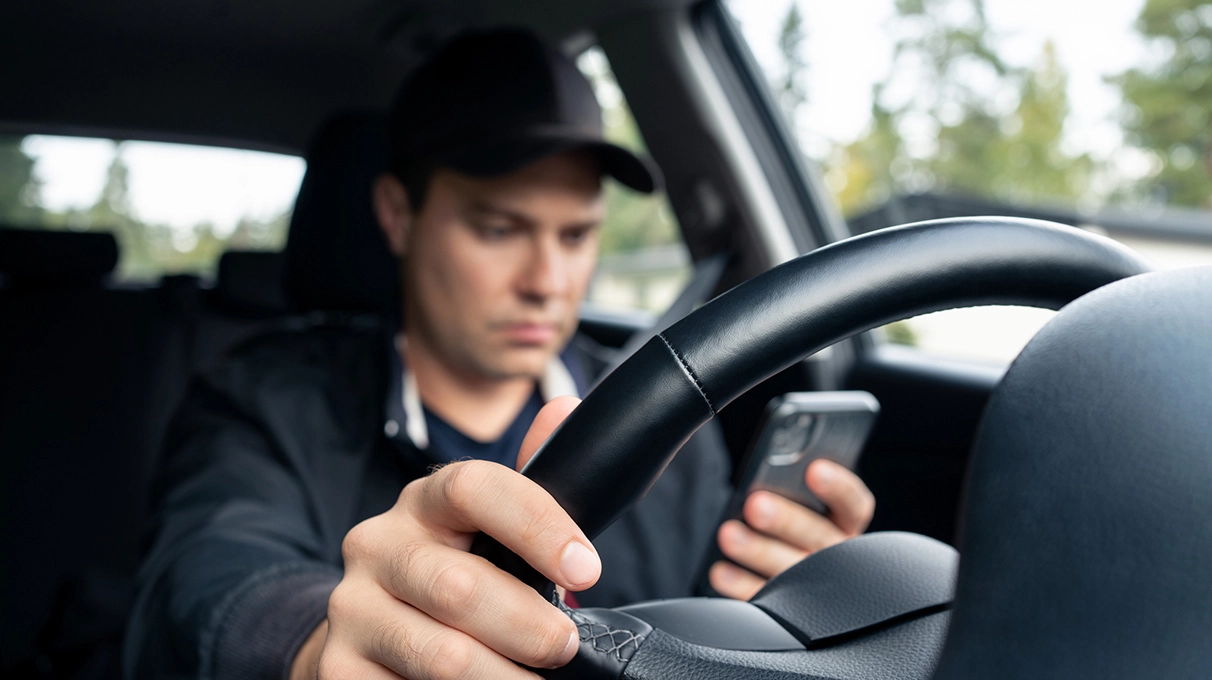
Receiving a ticket for using a handheld wireless communication or electronic entertainment device can result in a distracted driving conviction. This may lead to increased insurance rates or even the suspension of your driver’s licence.
92%
Report reduced fines or charges
5
Average Rating
Distracted driving fines have tripled – and can cost you your licence. If you have been charged with using a phone while driving in Ontario, here’s what you need to know about the penalties and how we can assist you in contesting handheld device tickets.
Is A Handheld Device Ticket The Same As Distracted Driving?
Yes, Ontario’s distracted driving laws apply to the use of hand-held communication and entertainment devices, as well as certain display screens.
In Ontario, the Highway Traffic Act prohibits the use of handheld communication and entertainment devices while driving. If you’re caught using a handheld device, such as texting or dialling, you may receive a ticket for that offence.
Distracted driving can also refer to other behaviours that divert your attention from the road, which might not involve a handheld device. You could be charged with careless or dangerous driving. While a ticket for using a handheld device falls under the broader distracted driving category, it has its specific regulations and penalties.
Penalties For Handheld Device Ticket
In Ontario, the consequences for drivers with a G-class licence caught using a hand-held or entertainment device are as follows:
- First Offence: Fines range from $500 to $1,000, accompanied by a 3-day licence suspension and 3 demerit points.
- Second Offence: Fines increase to between $500 to $2,000, with a 7-day licence suspension and 6 demerit points.
- Third or Subsequent Offences: Fines can range from $500 to $3,000, 6 demerit points, and your licence will be suspended for 30 days.
For novice drivers (G1/G2 or M1/M2), the penalties escalate further, with additional suspensions upon conviction for distracted driving. This highlights the importance of having appropriate legal representation.
How Many Demerit Points For A Handheld Device Ticket?
Depending on the number of convictions for driving with a handheld device, you can expect:
- First Conviction: 3 demerit points
- Second Conviction: 6 demerit points
- Third and additional conviction(s): 6 demerit points
How To Fight A Handheld Device Ticket In Ontario
Step 1: File the Ticket Promptly
Once you receive a handheld device ticket, you must file it with the court listed on the ticket within 15 days. This is your official notification to the court that you intend to dispute the ticket.
Step 2: Request a Court Date
Upon filing your ticket, you will receive a court date. This is where you will officially contest the accusation against you.
Step 3: Explore Early Resolution
Many jurisdictions offer an early resolution meeting with a prosecutor. This can be an opportunity to negotiate a reduced penalty without going to trial. It is highly recommended to take advantage of this meeting if it’s available to you.
Step 4: Prepare Your Defence
If you’re heading to court, it’s crucial to prepare a solid defence. Here are some common strategies you might consider:
- Legal Counsel: Consulting with a traffic lawyer or paralegal who specializes in traffic offences can provide you with valuable insights and representation. This can significantly impact the outcome of your case.
- Disclosure: Always request disclosure of the evidence against you. Having a clear understanding of the prosecution’s case is vital in crafting your defence.
- Question the Officer’s Observations: Understand that the burden of proof lies with the prosecution. If you believe the officer made an error in observing your use of the device as handheld, this can be a critical point to challenge.
- Prove an Emergency: If your use of the device was due to a legitimate emergency, make sure to present evidence or testimony that supports this claim. Emergencies can provide a valid defence.
- Demonstrate It Was Mounted: If your device was mounted for navigation or another legitimate purpose, you may be able to argue that you were not in violation of the law as it pertains to handheld device use.
- Challenge Disclosure: Request access to the evidence against you, including the officer’s notes. This is essential for building a strong defence, and it may reveal inconsistencies in the prosecution’s case.
- Consider a Plea Bargain: If you’re uncertain about your chances in court, negotiating a plea bargain with the prosecutor can lead to a reduced charge or fine without a trial.
Step 5: Attend Court Prepared
On your court date, be ready to present your defence clearly and confidently. Answer any questions posed by the judge and be respectful throughout the proceedings. Preparation is key.
Step 6: Potential Outcomes
Successfully challenging your handheld device ticket can lead to various positive results, including a reduced charge, a lesser fine, or even a full dismissal of the charge. By following these steps and engaging the right legal support, you can improve your chances of a favourable outcome.
How JUSTICEJOLT Can Help Fight A Handheld Device Ticket For You
Managing the Legal Journey
A lawyer or paralegal can handle all elements of your legal case, from submitting your ticket and scheduling a trial date to collecting and analyzing evidence, such as police notes and traffic camera recordings.
Crafting a Compelling Defence
Legal professionals will evaluate your individual circumstances and develop a comprehensive defence strategy. This may include questioning the validity of the officer’s evidence, examining the accuracy of their observations, and possibly reviewing factors such as red light camera calibration or relevant signage.
Identifying Legal Exceptions
Attorneys can identify if there are any applicable exemptions in your case, such as the use of a device in emergency situations.
Representing You in Court
In court, a lawyer can advocate on your behalf, challenge the prosecution’s evidence, cross-examine witnesses, and present persuasive legal arguments.
Engaging with the Prosecution
Lawyers and paralegals can participate in early resolution discussions with provincial prosecutors, striving to lessen the severity of the charge, reduce the associated demerit points, or even have the charge dismissed altogether.
Reducing Consequences
Challenging a handheld device ticket is important, as the penalties can be severe. A first-time conviction can result in fines of up to $1,000, 3 demerit points on your driving record, and a 3-day suspension of your licence.
These consequences may also lead to increased insurance rates. Consulting with a traffic lawyer or paralegal can help you minimize or avoid these repercussions.