

Risks And Penalties Of Driving Too Closely
In Ontario, maintaining a safe following distance is crucial to avoid a following too closely ticket, which can lead to hefty fines and demerit points on your driving record. This not only affects your insurance rates but may also impact your driving privileges.
Navigating the legal system after receiving a ticket for following too closely (tailgating) can be challenging. Our traffic lawyers and paralegals can help you understand your rights and explore options for contesting the charges. In this post, we’ll discuss the penalties for following too closely in Ontario and how legal assistance can help in your case.
92%
Report reduced fines or charges
What Is Following Too Closely?
In Ontario, following too closely is an offence under section 158(1) of the Highway Traffic Act. This violation occurs when a driver fails to maintain a safe distance from the vehicle ahead.
The HTA requires drivers to maintain a reasonable distance, taking into account factors such as speed, road conditions, and traffic flow. Failing to do so increases the risk of rear-end collisions and endangers road safety.
Enforcement Guidelines For Following Too Closely Ticket
Police often follow a general guideline stating that for every 10 km/h of speed, a driver should keep at least one car length from the vehicle ahead.
For instance, when driving at 60 km/h, a driver should be approximately six car lengths behind the vehicle ahead. Tailgating on highways is a common reason for issuing a following too closely ticket.
What Are The Penalties For Following Too Closely?
If you are convicted of following too closely, you may face one or more of the following penalties:
- Fines: Ranging from a minimum of $110 to a maximum of $500
- Demerit Points: 4 points added to your driving record
- Driver’s Licence Suspension: A suspension lasting 30 days
- Driving Record Impact: A conviction may appear on your driving record and could affect your insurance rates.
Dangers Of Following Too Closely
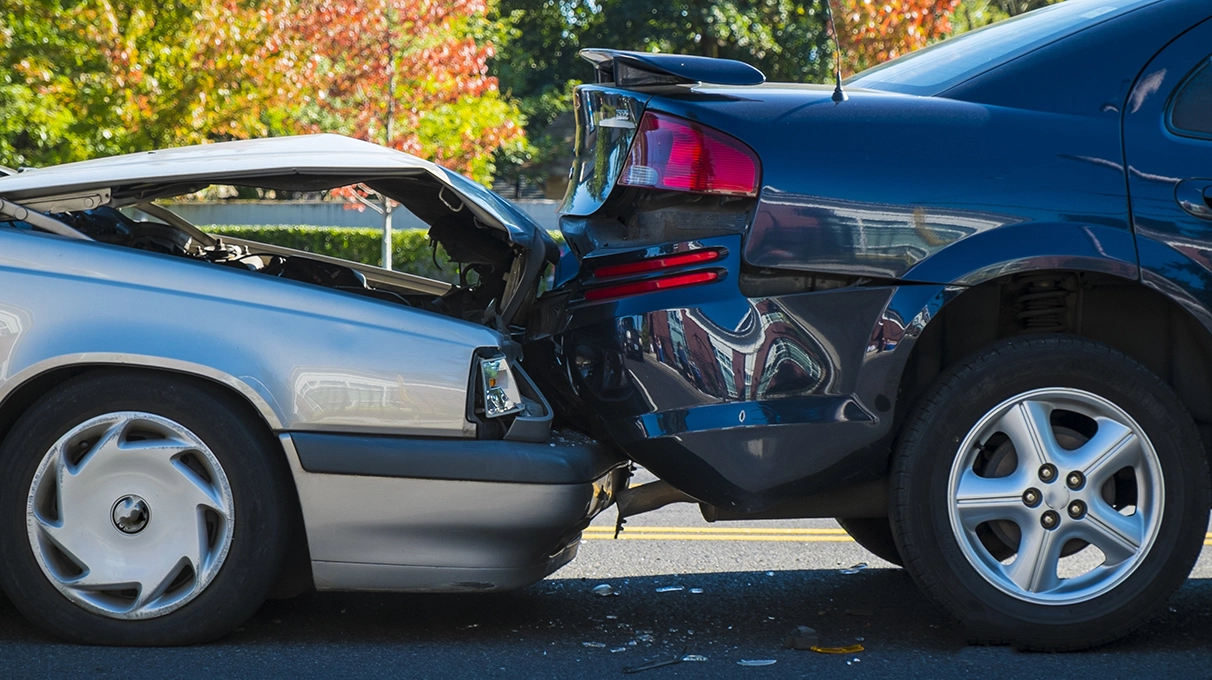
Why should you be concerned about following too closely? Tailgating increases your risk of a road accident in various ways. Here is a look at the dangers of following too closely.
- Increased Risk of Collisions: Following too closely can lead to rear-end collisions if you can’t stop in time
- Reduced Reaction Time: A shorter distance between vehicles means you may not have enough time to react to sudden stops or emergencies.
- Limited Visibility: Being too close restricts your view of the road ahead, making it difficult to see potential hazards or changes in traffic conditions.
- Increased Stress for Other Drivers: Tailgating can create anxiety and tension for the driver ahead, potentially leading to erratic driving behaviours.
- Severe Personal Injuries: Rear-end collisions can cause significant injuries, such as whiplash, concussions, spinal cord damage, or traumatic brain injuries.
- Higher Likelihood of Fatalities: At higher speeds, the risk of fatal injuries increases for occupants of both vehicles involved in a collision.
- Impact on Driving Large Vehicles: Large vehicles have significant blind spots; following closely can put you at risk if they need to stop suddenly.
- Legal Consequences: In many places, including Ontario, following too closely is considered a serious traffic offence that can result in fines and penalties.
Key Factors to Consider To Prevent Driving Too Closely
Speed of Both Vehicles
The speed at which you and the vehicle in front are travelling influences the necessary stopping distance. Higher speeds require a longer distance to stop your vehicle safely.
Road Conditions
Environmental factors such as wet, icy, or uneven surfaces require more cautious driving and increased following distances to ensure safety.
Traffic Flow
In heavy traffic situations where stops and slowdowns are frequent, maintaining a larger gap between vehicles is essential to avoid collisions.
How To Fight A Following Too Closely Ticket
When you receive a ticket for following too closely, it is important to understand your rights. A traffic lawyer and paralegal can offer valuable insights into the specifics of the Highway Traffic Act in Ontario, which requires drivers to maintain a reasonable and prudent distance from the vehicle ahead. By understanding this foundation, you can develop a stronger defence.
Defensive Strategies: Expertise in Building Your Case
JUSTICEJOLT traffic lawyers and paralegals are experienced in identifying potential defences for your ticket. Here’s how we can help:
- Assessing Following Distance: Legal experts can argue that your following distance was appropriate given the speed, traffic, and road conditions.
- Evaluating Driver Actions: If another driver’s sudden movements led you to follow closely to prevent an accident, your lawyer or paralegal can present this as a valid defence.
- Investigating Mechanical Issues: They can explore whether mechanical failures impacted your ability to maintain a safe distance, although they will prepare you for the scrutiny such claims might face in court.
- Challenging Evidence: If the circumstances of the incident are misrepresented, your lawyer or paralegal can argue that the offence did not occur as stated by the officer.
Preparation is Key: Considerations for Your Case
Traffic lawyers and paralegals emphasize the importance of being prepared:
Evidence Collection: Compile any supporting evidence, such as dashcam footage, witness statements, or photographs, that can bolster your defence. Your lawyer can guide you on which materials are most relevant to gather and through the disclosure process.
Understanding Court Procedures: Familiarize yourself with the court process—legal support will demystify early resolution meetings and trial protocols.
Cost vs. Consequence: Weigh the costs of hiring legal representation against potential penalties, as having a knowledgeable legal representative can significantly influence the outcome of your case.
The Value of Legal Support: From Consultation to Courtroom
JUSTICEJOLT’s paralegals and traffic lawyers provide comprehensive support throughout the process:
- Free Initial Consultations: JUSTICEJOLT offers free consultations to evaluate your case and outline your options without any financial pressure.
- Evidence Review: They will study the details surrounding your ticket, including the officer’s notes and any evidence you possess, to assess the strength of your defence.
- Negotiating Plea Deals: Before trial, we can negotiate with prosecutors on your behalf to potentially reduce charges or negotiate a lighter penalty.
- Court Representation: Should negotiations fail, your lawyer or paralegal will present your case in court, articulate your defence, and cross-examine witnesses to challenge their testimony.
JUSTICEJOLT’s expertise can help you fight a ticket for following too closely by creating a solid defence strategy and advocating on your behalf.