

Stop Sign Tickets In Ontario
Ignoring a stop sign in Ontario can lead to serious consequences beyond just a ticket. Penalties include fines up to $1,000 and 3 demerit points, which will impact your insurance and driving privileges.
As “disobey stop sign” under the Highway Traffic Act, this violation can affect your daily life. If charged, you might want to contest it in court to avoid a conviction. Not stopping can result in 3 demerit points and higher insurance premiums.
This is where JUSTICEJOLT traffic lawyers and paralegals come in. Our expertise and dedicated approach can help manage your case, possibly reducing penalties and safeguarding your driving record.
92%
Report reduced fines or charges
What Are The Driving Laws Around Stop Signs?
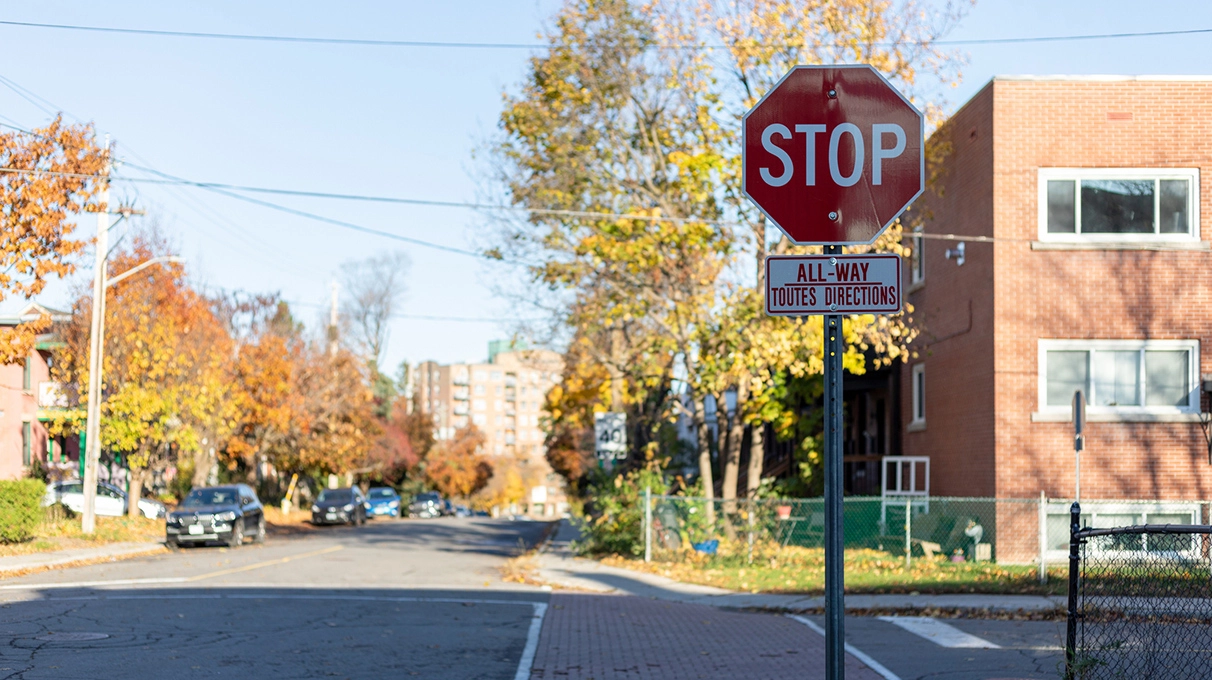
In Ontario, all drivers are required to obey traffic signs in order to allow other motorists to proceed with caution at intersections and to avoid accidents. Failing to stop at a stop sign is considered a traffic offence.
According to the Ontario Highway Traffic Act, section 136(1), every driver or streetcar operator approaching a stop sign must come to a full and complete stop at one of the following locations:
- At a marked stop line.
- If there is no marked stop line, before entering the nearest crosswalk.
- If there is no crosswalk, before entering the intersection.
- A full and complete stop means that the vehicle’s wheels must come to a complete halt.
It is important to note that a rolling stop can also result in a ticket for disobeying a stop sign. The exact duration of the stop is not specified in the law.
What Is The Fine For Disobeying A Stop Sign Ontario?
Failure to stop at a stop sign in Ontario will result in a traffic ticket and associated consequences. If you receive a ticket for failure to stop at a stop sign, you may face the following fines and penalties:
- 3 demerit points added to your driving record.
- A fine of $110 (unless reduced by a court).
- Increased insurance rates due to the violation.
- A conviction is registered on your driving record for three years.
Penalties for ignoring stop signs may be higher in community safety zones and can vary by province. Once convicted of disobeying stop signs or any road signs, the conviction stays on your driving record indefinitely, which could impact your eligibility for certain jobs.
How Many Demerit Points For Not Stopping At A Stop Sign?
In Ontario, receiving a ticket for disobeying a stop sign incurs 3 demerit points on your driving record. These points serve as a measure of your driving behaviour and remain on your record for up to two years from the date of the offence.
Accruing too many demerit points can lead to higher insurance premiums and, in some cases, additional penalties, such as a licence suspension.
Will A Failure To Stop At A Stop Sign Increase Insurance In Ontario?
Your insurance premium can increase at renewal if you receive a ticket for running a stop sign, as insurance companies view traffic violations as indicators of risky driving.
A stop sign ticket stays on your record for three years in the case of insurance. If this is your first ticket, the effect on your rates may be minimal, but a history of violations can lead to much higher costs.
Insurance providers have varying policies: some raise rates significantly after a single ticket, while others are more lenient. Over time, the impact of the ticket generally diminishes, but it can take up to three years for it to no longer affect your rates if you keep a clean driving record.
How To Fight A Disobey Stop Sign Ticket in Ontario
While a stop sign ticket may seem straightforward, developing a solid defence strategy to have the charge withdrawn can be challenging without a clear understanding of the process. Hiring a professional traffic lawyer or paralegal with experience in handling stop sign tickets in Ontario is often the best approach.
Here is an overview of how to begin the process of fighting a stop sign ticket:
Step 1: File Your Ticket with the Court
You must file the ticket with the court within 15 days of receiving it. Follow the instructions on the back of the ticket, or visit the courthouse where the ticket was issued.
Step 2: Schedule a Meeting with a Prosecutor
Request an early resolution meeting with a prosecutor. This meeting is your opportunity to discuss the possibility of resolving the matter with a lesser charge that carries fewer or no demerit points. It’s often a preliminary step before considering a trial.
Step 3: Prepare for a Trial (If Necessary)
Even if you choose to go to trial, the court may schedule a meeting with a prosecutor first. This allows both parties to resolve the case without going to trial, saving time and resources. If the case proceeds to trial, you will need a strong defence strategy.
Step 4: Build Your Defence Strategy
Take the time to prepare your case. Review all the ticket details, and think about what you’ll argue in court. Prepare questions for the police officer who issued the ticket, and gather any witnesses who can support your side of the story. Remember, your case may be dismissed if the officer does not appear at the trial.
Step 5: Attend Your Trial
On your trial date, arrive prepared and ready to present your case. Be clear, concise, and professional when explaining your defence.
Why You Need Legal Representation To Fight A Failure To Stop At A Stop Sign Ticket
Working with JUSTICEJOLT’s experienced traffic lawyers and paralegals offers significant advantages when contesting a failure to stop at a stop sign ticket. Our expertise in traffic law helps navigate your case effectively, improving your chances of a favourable outcome. With a focus on protecting your rights and identifying potential defences, we can ensure you have a skilled advocate dedicated to minimizing the consequences of the ticket.
Here is a detailed look at why you need legal help to fight a stop sign ticket:
Prevent Demerit Points Accumulation
Receiving a conviction for failing to stop at a stop sign results in 3 demerit points. Accruing too many points can lead to further repercussions from the Ministry of Transportation (MTO), such as warning letters, mandatory interviews, or even licence suspension.
Reduce Financial Penalties
Failure to comply with stop sign regulations can result in fines of up to $1,000. A traffic lawyer or paralegal may be able to negotiate a lower fine, thereby alleviating some of the financial burdens associated with the violation.
Safeguard Your Insurance Premiums
A conviction for disobeying a stop sign can increase your insurance premiums, leading to significantly higher costs over time. A knowledgeable traffic paralegal or lawyer can help you strategize to minimize or potentially avoid these adverse effects on your insurance rates.
Expert Navigation of Complex Traffic Laws
Traffic laws in Ontario can be intricate and occasionally overwhelming. A traffic lawyer or paralegal has the expertise and experience necessary to navigate these complexities, ensuring you are fully informed and prepared to face the legal system.
Opportunities for Dismissal or Reduced Charges
Skilled traffic paralegals and lawyers have the ability to scrutinize your case for potential defences, engage in negotiations with the prosecutor, and work diligently to have your charges either dismissed or reduced. This advocacy can significantly lessen the impact on your driving record.
Thorough Case Preparation
An effective legal professional will assist in gathering and organizing essential evidence, such as photographs, documentation, or witness statements, to build a compelling case. This meticulous preparation can be pivotal during your defence.
Dedicated Court Representation and Guidance
If you opt to contest the ticket, a qualified traffic lawyer or paralegal will provide unwavering support and representation throughout the court proceedings. They will work closely with you to ensure that you are thoroughly prepared, confident, and informed during every step of the process.